
In the world of product identification, signage, and labeling, durability and clarity are non-negotiable. From industrial machinery to office spaces, businesses rely heavily on nameplates and tags to communicate vital information. While there are many materials to choose from, aluminum nameplates have long stood out as a top choice—especially when compared to plastic alternatives.
Table of Contents
- The Limitations of Plastic Nameplates
- Why Aluminum Nameplates Are a Better Investment
- Industries That Rely on Aluminum Nameplates
- Environmental Impact: Aluminum vs. Plastic
- FAQs About Aluminum Nameplates and Tags
- Are aluminum nameplates suitable for outdoor use?
- How are aluminum engraved nameplates made?
- Are aluminum tags expensive compared to plastic ones?
- Can I customize aluminum tags with logos or barcodes?
- Do aluminum nameplates come in different finishes or colors?
- What mounting options are available for aluminum nameplates?
- Final Thoughts
Whether you’re labeling equipment, marking assets, or adding professional signage, the right material makes a big difference in longevity, readability, and performance. This blog explores why more businesses are switching to aluminum nameplates and aluminum tags over plastic, with a focus on durability, design options, and long-term value.
The Limitations of Plastic Nameplates
Plastic nameplates may seem appealing at first glance due to their lower cost and lightweight construction. However, they come with significant trade-offs:
- Lower durability: Plastic can warp, fade, crack, or break under pressure, heat, or exposure to chemicals and UV rays.
- Limited lifespan: Most plastic nameplates degrade over time, especially in outdoor or industrial environments.
Because of these limitations, many businesses that initially choose plastic nameplates end up needing frequent replacements—a hidden cost that adds up over time.
Why Aluminum Nameplates Are a Better Investment
1. Exceptional Durability
One of the top reasons companies prefer aluminum nameplates is their ability to withstand extreme environments. Aluminum resists corrosion, UV exposure, moisture, and harsh chemicals—making it suitable for both indoor and outdoor use.
For manufacturing, construction, or marine settings, where wear and tear are expected, aluminum engraved nameplates last significantly longer than their plastic counterparts.
2. Lightweight Yet Strong
Despite being a metal, aluminum is surprisingly lightweight. This makes it easier to mount, ship, and handle compared to heavier metals like stainless steel, while still offering greater strength than plastic.
This strength-to-weight ratio is a key reason why aluminum tags are favored in industries like aerospace, automotive, and electronics—where every ounce matters.
3. High-Quality Appearance
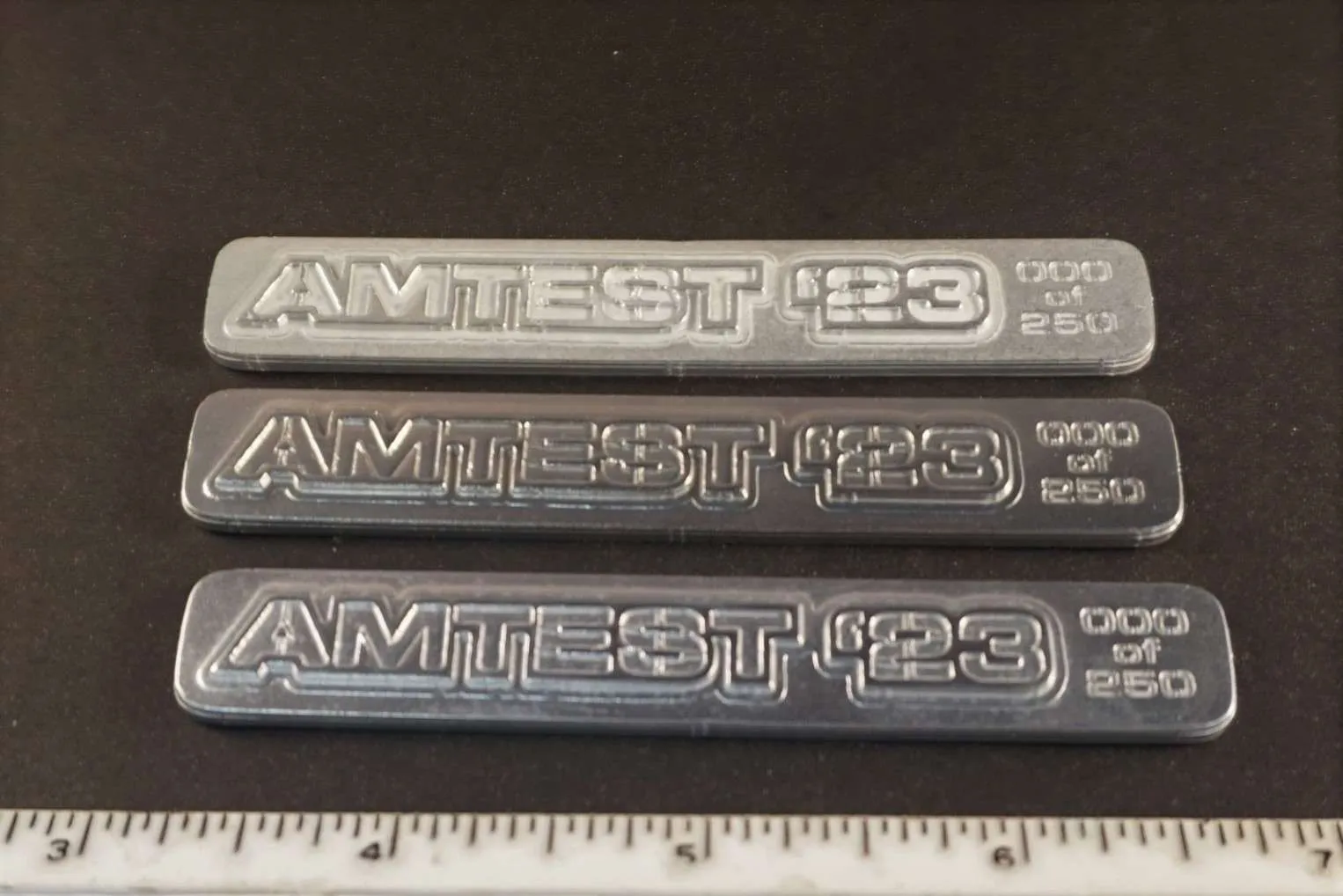
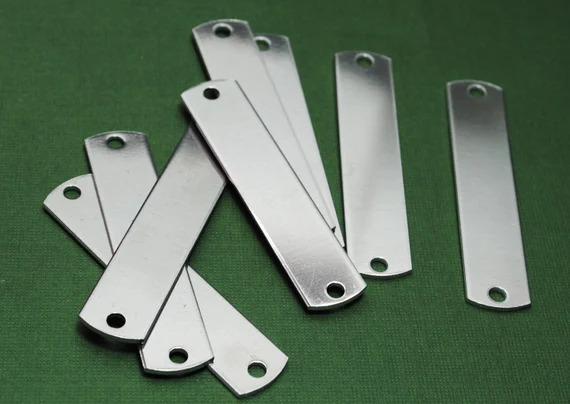
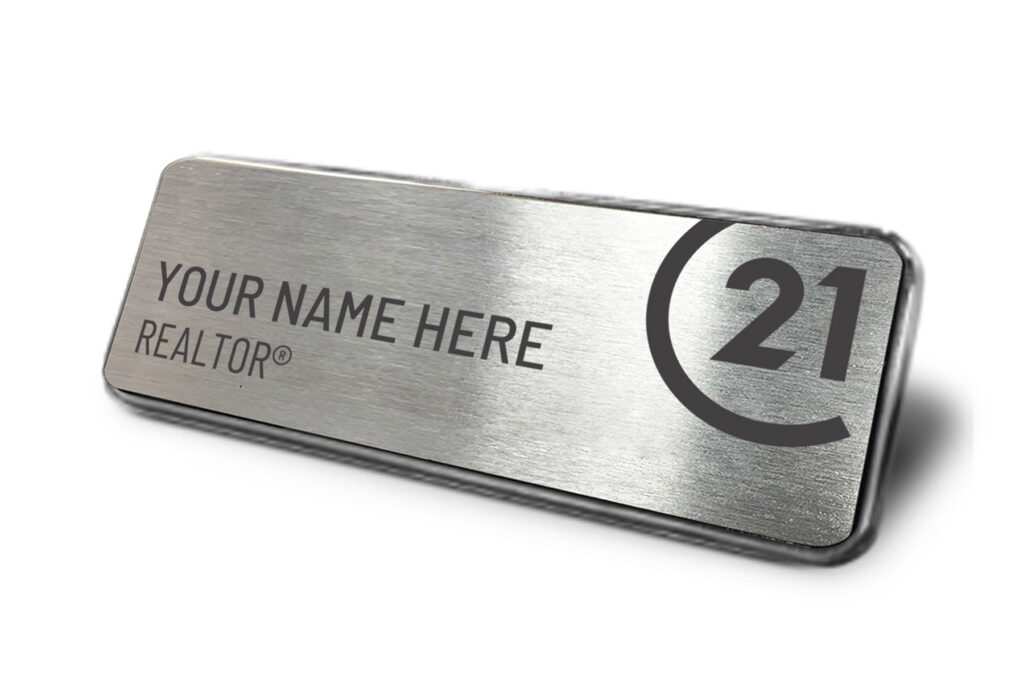
Aluminum offers a clean, modern, and premium look that enhances brand image. Whether brushed, anodized, or polished aluminum nameplates bring a level of sophistication that plastic simply can’t match.
Aluminum engraved plates, in particular, provide a tactile, long-lasting finish that reflects attention to detail and professionalism. This is especially valuable for name badges, brand plaques, and control panels.
4. Superior Engraving and Printing Options
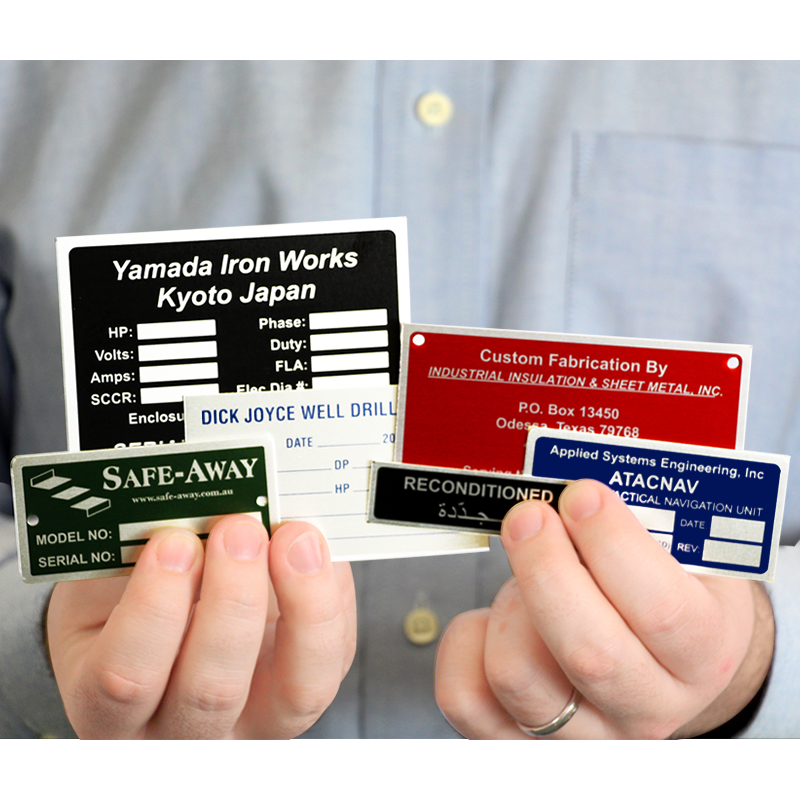
Aluminum allows for precise customization. It can be laser engraved, chemically etched, screen printed, or digitally printed with high accuracy. This flexibility makes it ideal for:
- Serial numbers
- Barcodes
- Logos
- Compliance information
- Instructional or warning labels
Plastic plates, on the other hand, are more prone to blurring, scratching, and surface wear—compromising readability over time.
5. Resistant to Environmental Wear
Plastic fades and becomes brittle when exposed to sunlight and temperature changes. Aluminum, especially when anodized, is UV-stable and temperature resistant. In high-traffic or hazardous environments, aluminum tags hold up better without needing frequent replacement.
6. Long-Term Cost Efficiency
While aluminum nameplates may have a slightly higher upfront cost than plastic, their durability pays off in the long run. Businesses avoid the recurring costs of replacing cracked, faded, or damaged plastic tags.
Additionally, fewer replacements mean less downtime, fewer errors due to illegible tags, and more consistent brand or operational presentation.
Industries That Rely on Aluminum Nameplates
Many industries rely on aluminum tags and nameplates because of their robustness and clarity. These include:
- Manufacturing – Equipment ID, compliance plates, maintenance schedules.
- Construction – Safety signs, electrical panel labels, tool ID.
Environmental Impact: Aluminum vs. Plastic
Aluminum is a fully recyclable material. It can be repurposed without losing its integrity or strength, making it a sustainable choice for eco-conscious businesses that offer or rely on long-lasting identification services. Plastic, however, degrades during recycling and contributes significantly to environmental pollution.
Switching to aluminum nameplates supports long-term sustainability goals and reduces landfill waste.
FAQs About Aluminum Nameplates and Tags
Are aluminum nameplates suitable for outdoor use?
Yes. Aluminum is highly resistant to corrosion and UV rays. When anodized or coated, it performs exceptionally well outdoors for years without fading or damage.
How are aluminum engraved nameplates made?
Engraving is done using lasers or rotary tools that etch permanent marks into the surface. These marks are durable and remain legible even under tough conditions.
While the initial cost may be slightly higher, the longevity and reduced need for replacement make aluminum more cost-effective in the long term.
Absolutely. Aluminum tags can be laser engraved or printed with text, logos, barcodes, and QR codes with excellent precision.
Do aluminum nameplates come in different finishes or colors?
Yes. Aluminum can be anodized to offer various colors and finishes—such as brushed, matte, or glossy—depending on your design needs.
What mounting options are available for aluminum nameplates?
You can choose from adhesive backing, pre-drilled holes for screws or rivets, or magnetic backings based on your application.
Final Thoughts
When it comes to reliability, durability, and professional appearance, aluminum nameplates and aluminum tags offer a clear advantage over plastic. They withstand tough conditions, maintain readability over time, and offer a level of customization and refinement that plastic simply can’t match.
For businesses aiming for long-term efficiency, sustainability, and brand consistency, aluminum engraved solutions are the way forward. Whether you’re labeling equipment, organizing inventory, or showcasing your brand, aluminum proves to be the smart, future-ready choice.
Upgrade your identification and labeling strategy with aluminum—and experience the lasting benefits firsthand.