
Table of Contents
- Same-Day Diagnostics: The Shift That Changes Everything
- Fear-Free Veterinary Care: Why It Is More Than a Marketing Term
- Individualized Care Protocols: Moving Beyond One-Size-Fits-All Medicine
- The Shift Toward Preventive Medicine
- Technology That Was Not Available a Decade Ago
- FAQs
- How do I know if a vet hospital in Encino is using modern equipment and protocols?
- Is a modern full-service vet hospital in Encino more expensive than a standard clinic?
- Does fear-free certification make a significant difference for a calm, easy-going pet?
- What should I look for when switching to a new vet hospital in Encino?
- How often should my pet visit a modern vet hospital in Encino?
- The Standard Has Moved, and Your Pet Deserves the Benefit of It
Veterinary medicine has changed more in the last decade than in the several decades before it, and for pet owners in Encino, the practical benefits of that shift are showing up in ways that make a real difference to both the quality and the convenience of the care their dogs and cats receive. The gap between what was possible at a general practice veterinary clinic ten years ago and what is possible today is significant, and most of it comes down to three things: better diagnostic equipment, more individualized care protocols, and a deeper understanding of how stress affects both the patient experience and the accuracy of clinical findings.
For Encino pet owners who have been with the same vet for many years or who are looking for a new practice for the first time, understanding what the best modern vet hospitals in Encino actually offer is worth knowing before you make that choice. The standard has moved, and a practice that was considered excellent a decade ago may not be delivering the same relative level of care today simply because the field has advanced around it.
For dog and cat owners across Encino and the San Fernando Valley who want to understand what modern veterinary care looks like in practice, a full-service vet hospital near you in Encino is the clearest place to see these changes in action.
Same-Day Diagnostics: The Shift That Changes Everything
One of the most meaningful practical changes in modern veterinary hospitals is the shift toward comprehensive in-house diagnostic capability that delivers results during the same visit rather than days later from an outside laboratory.
Ten years ago, a dog who came in vomiting and not eating would typically leave with a partial picture. The vet would examine them, form a clinical impression, and either treat empirically while waiting for lab results or refer them to a separate facility for imaging. The owner would go home without a clear diagnosis, waiting for a callback that might come the next day or later.
Today, a well-equipped veterinary hospital in Encino can run a complete blood count and chemistry panel, take digital X-rays, perform an abdominal ultrasound, and have a board-certified radiologist review the imaging results, all before the owner leaves the building. The vet has a complete diagnostic picture within the same appointment, which means treatment decisions are made based on actual data rather than clinical guesswork, and the owner goes home with a real answer rather than a holding pattern.
This change sounds administrative but its clinical significance is substantial. Earlier diagnosis means earlier treatment. Earlier treatment means better outcomes, shorter recovery times, and in many cases lower total cost than treating a condition that was managed conservatively for days while waiting for information that could have been available the same day.
Fear-Free Veterinary Care: Why It Is More Than a Marketing Term
The fear-free movement in veterinary medicine is one of the most significant philosophical shifts the profession has seen in decades, and in Encino it has changed the way a growing number of practices approach every aspect of the patient visit.
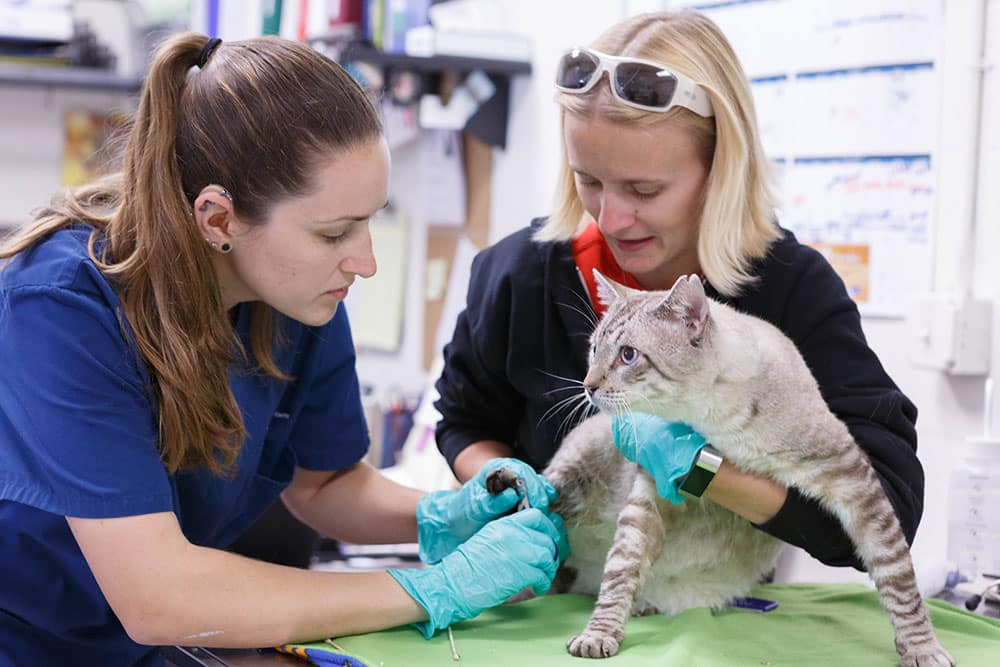
Fear-free certification is a formal training program for veterinary professionals that covers animal behavior science, low-stress handling techniques, environmental design, and the use of pre-visit medication for highly anxious patients. The changes it produces in a veterinary practice go well beyond making visits feel nicer, though that matters too. They go to the heart of clinical accuracy.
A cat examined in a state of extreme stress has a heart rate, blood pressure, and respiratory rate that do not reflect their baseline health. The same is true for an anxious dog whose cortisol levels are elevated from the moment they walked into the parking lot. Abnormal vital signs in a stressed patient lead to either alarm or dismissal of findings that might mean something different in a calm patient, and both outcomes carry risk. A fear-free approach that reduces baseline anxiety before and during the examination produces more accurate clinical data, which produces better diagnostic and treatment decisions.
For cat owners especially, the difference between a standard clinic and a fear-free certified vet hospital in Encino is often the difference between a visit that is just about manageable and one that leaves the cat genuinely traumatized and harder to handle at every subsequent appointment.
Individualized Care Protocols: Moving Beyond One-Size-Fits-All Medicine
Another shift that distinguishes modern veterinary hospitals from older models is the move toward genuinely individualized care protocols rather than standardized approaches applied uniformly across every patient.
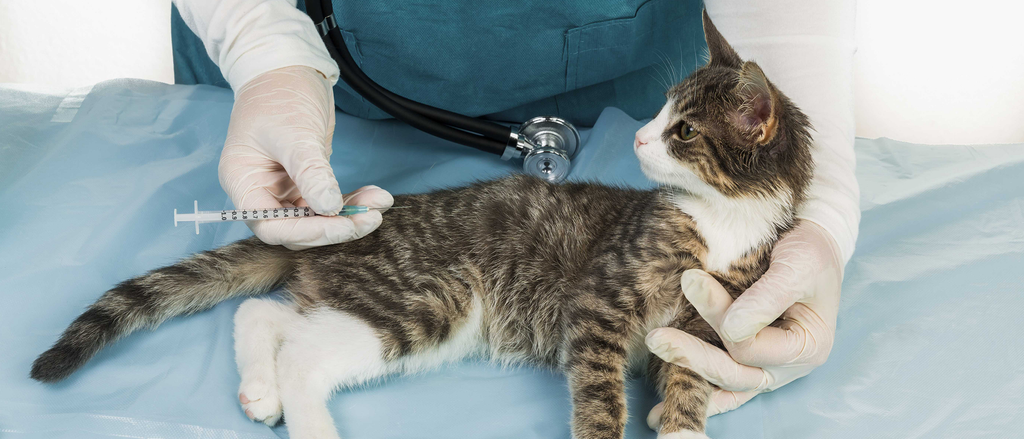
Vaccination schedules are the clearest example. The old model applied the same vaccine protocol to every dog or cat at every annual visit regardless of age, lifestyle, health status, or prior immune history. Current AAHA and AAFP guidelines recognize that a three-year-old indoor-only cat in a single-cat household has different vaccine needs from a two-year-old dog who goes to dog parks, hikes trails in the Santa Monica Mountains, and boards regularly during travel. A modern veterinarian near you should be building vaccine schedules around the individual animal rather than a fixed checklist.
The same individualization applies to senior care, where the monitoring needs of a seven-year-old Great Dane are genuinely different from those of a seven-year-old Chihuahua despite sharing a birthday. It applies to pain management, where multimodal approaches combining different drug classes and delivery methods produce better outcomes than a single-drug protocol for every patient. And it applies to nutrition counselling, where the specific dietary needs of a senior cat with early kidney disease are meaningfully different from those of a healthy adult cat of the same weight.
A practice that takes the time to understand each patient as an individual and adjust the care plan accordingly is practicing a higher standard of medicine than one that moves quickly through a standardized protocol, and the difference shows up most clearly over the long arc of a pet’s life.
The Shift Toward Preventive Medicine
Perhaps the most important trend in modern veterinary care is the shift in emphasis from reactive treatment to proactive prevention, and it is one that benefits pet owners financially as much as it benefits their pets medically.
Older veterinary models were largely reactive. A pet came in when something was visibly wrong, received treatment for the presenting problem, and went home. Wellness visits existed but were often treated as primarily vaccine delivery appointments rather than genuine health assessments.
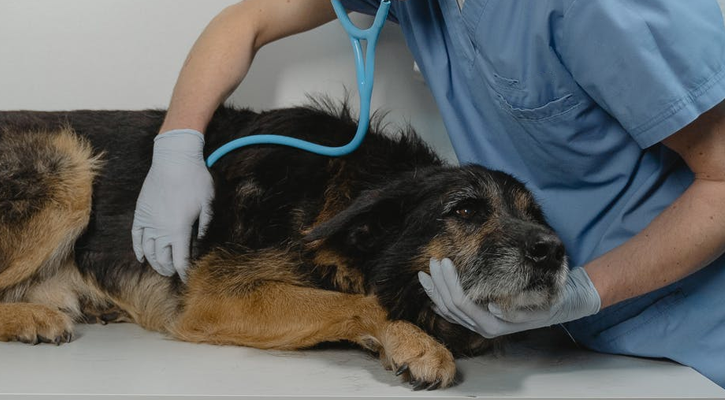
Modern veterinary hospitals approach wellness visits as diagnostic opportunities. The annual or biannual exam is not just a checkup and a shot. It is a systematic assessment of every organ system, a review of bloodwork trends over time, a conversation about behavioral changes that might indicate pain or cognitive decline, and a proactive adjustment of the care plan based on what the current visit reveals compared to the last one.
The practical consequence of this shift is that conditions get found earlier. Early kidney disease caught at a wellness exam is manageable in ways that late-stage kidney disease is not. A heart murmur found at an annual visit can be monitored and medicated appropriately before it becomes a cardiac emergency. Dental disease identified and treated before it causes systemic infection costs less and causes less suffering than the same disease left until it becomes painful enough for the owner to notice.
Technology That Was Not Available a Decade Ago
Beyond the diagnostic and philosophical shifts, modern pet hospitals in Encino are also incorporating technology that simply did not exist in accessible form for general practice clinics until recently.
Digital dental radiology is one example. Full-mouth dental X-rays taken during every comprehensive dental procedure reveal disease below the gum line that is invisible on surface examination, and research consistently shows that the majority of significant dental disease in dogs and cats falls into that invisible category. A practice that performs dental procedures without full-mouth radiographs is working with an incomplete picture of the patient’s oral health.
Telemedicine and patient apps are another recent addition that changes how pet owners interact with their veterinary team between visits. The ability to send a photo of a suspicious lump, ask a quick question about a medication, or request a prescription refill through an app rather than a phone call reduces friction in the day-to-day management of a pet’s health and keeps the care team more meaningfully involved in what is happening at home between appointments.
FAQs
How do I know if a vet hospital in Encino is using modern equipment and protocols?
Ask directly when you call to book. Specific questions about in-house diagnostic capability, fear-free certification, and individualized vaccine protocols will give you a clear picture of how the practice operates. A modern practice answers these questions confidently and specifically.
Is a modern full-service vet hospital in Encino more expensive than a standard clinic?
Not necessarily across the board. In-house diagnostics often cost less than referral to an outside facility when you factor in the second visit and transport costs. And conditions caught early through preventive care consistently cost less to treat than the same conditions found late.
Does fear-free certification make a significant difference for a calm, easy-going pet?
Yes, though the benefits are more visible in anxious patients. Even calm pets benefit from lower-stress handling techniques and a more relaxed environment, and the clinical accuracy improvements that come from reduced patient stress apply regardless of how easygoing the individual animal appears.
What should I look for when switching to a new vet hospital in Encino?
In-house diagnostic capability, fear-free certification, weekend and holiday availability, same-day urgent care access, and a team that takes time to understand your pet as an individual rather than moving through a standardized protocol are the most meaningful factors to evaluate.
How often should my pet visit a modern vet hospital in Encino?
Annual wellness visits for healthy adult pets and biannual visits for senior pets over seven are the current standard recommendations. Pets with chronic conditions may need more frequent monitoring depending on the specific health situation.
The Standard Has Moved, and Your Pet Deserves the Benefit of It
The best modern vet hospitals in Encino are delivering a standard of care that was simply not accessible at a general practice level a decade ago. Same-day diagnostics, fear-free handling, individualized care protocols, and a genuine emphasis on prevention rather than reaction are not premium add-ons. They are what good veterinary medicine looks like today.
If your pet is currently being seen at a practice that has not kept pace with these changes, or if you are looking for a new vet hospital in Encino for the first time, it is worth knowing that a higher standard is available and that finding it makes a real difference over the long arc of your pet’s life.
Encino Pet Hospital and Emergency is open seven days a week, including holidays, with fear-free certification, in-house diagnostics, and a team that approaches every patient as an individual rather than a protocol to work through. Call us or visit our website to book your pet’s next appointment.