

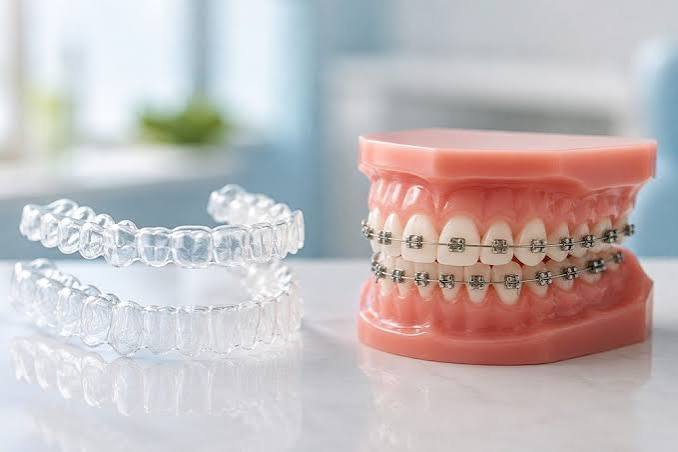
Invisalign treatment offers a discreet way to straighten teeth using custom-made, removable clear aligners. However, achieving the desired results involves several important steps, from your initial dental examination to long-term retention. Working with an experienced Invisalign dentist in Encino helps you understand each phase, follow your treatment schedule, and maintain healthy oral habits throughout the process.
Table of Contents
- How Does an Invisalign Dentist in Encino Plan Your Treatment?
- Stage 1: Digital Scanning and Personalized Treatment Planning
- Stage 2: Receiving Your First Invisalign Aligners
- Stage 3: Changing Aligners and Tracking Tooth Movement
- Stage 4: Treatment Duration and Additional Refinement Aligners
- Stage 5: Completing Treatment and Maintaining Results
- Choosing the Right Invisalign Dentist for Your Smile
- What to Look for in an Invisalign Dentist in Encino
- Frequently Asked Questions
- 1. How long does Invisalign treatment usually take?
- 2. Is Invisalign treatment painful during the first few days?
- 3. Can I eat normally while wearing Invisalign aligners?
- 4. How often do I need to visit my dentist during Invisalign treatment?
- 5. Will I need retainers after completing Invisalign treatment?
- Conclusion
Invisalign treatment generally involves five stages: consultation, digital planning, initial aligner fitting, progress monitoring, and retention. Some patients also need additional refinement aligners.
How Does an Invisalign Dentist in Encino Plan Your Treatment?
The first step is a comprehensive dental evaluation. An Invisalign near you examines your teeth, gums, and bite to determine whether clear aligners suit your orthodontic needs.
During your consultation, the dentist reviews your dental history and discusses concerns such as crowded teeth, unwanted spaces, or certain bite irregularities. The dentist may also recommend digital scans, photographs, and X-rays to assess your current alignment.
This initial assessment typically includes:
- Checking the health of your teeth and gums.
- Evaluating crowding, spacing, and bite relationships.
- Capturing digital impressions for treatment planning.
- Discussing estimated treatment duration and costs.
- Identifying dental conditions that need attention before orthodontic care.
Not every alignment problem can be corrected with clear aligners alone. Severe or complex cases may require other orthodontic techniques, depending on your dental condition.

Take the next step toward a healthier, more confident smile with Farzad Dental. Whether you need dental implants or routine care, our team is here to discuss your concerns and help you explore suitable treatment options.
Stage 1: Digital Scanning and Personalized Treatment Planning
Once your dentist confirms that Invisalign is appropriate, the next step is to create a customized treatment plan.
Digital scanning technology captures a detailed three-dimensional representation of your teeth. Specialized software helps the dentist plan gradual tooth movements and estimate how your alignment may change over time.
The resulting digital preview can illustrate the intended outcome, although actual tooth movement may differ from the simulation.
How Does an Invisalign Provider in Encino Customize Aligners?
An experienced Invisalign provider in Encino considers several factors when designing your treatment, including tooth position, spacing, bite alignment, and the complexity of the required movements.
Your dentist also determines whether small, tooth-colored attachments are necessary to help certain teeth move more effectively.
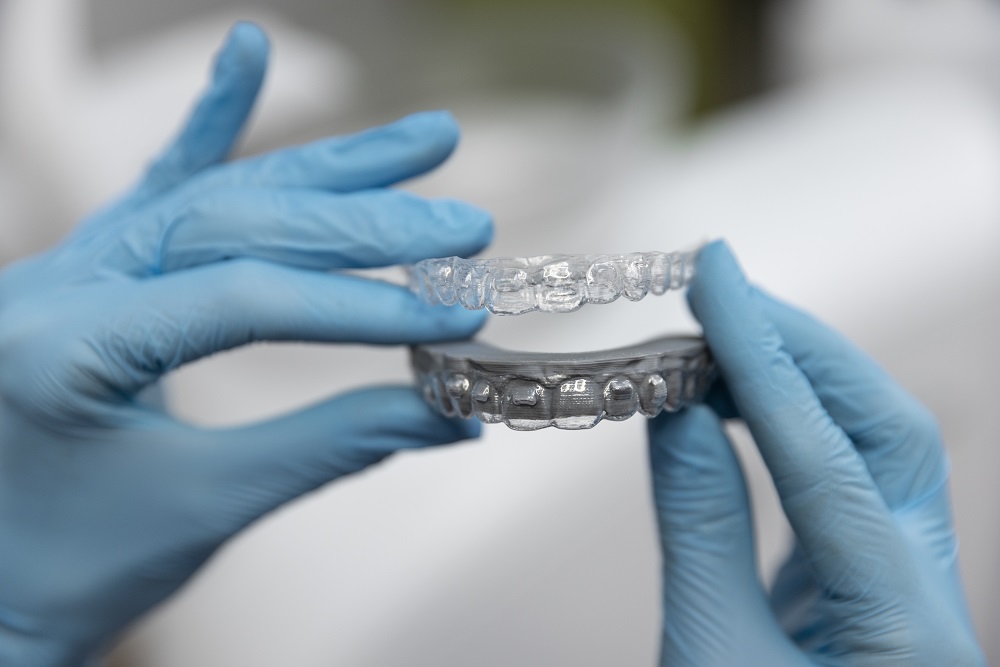
After finalizing the plan, the team manufactures a sequence of aligners to guide your teeth toward their intended positions.
Each tray is designed to create a specific stage of movement, making consistent wear an important part of treatment.
Stage 2: Receiving Your First Invisalign Aligners
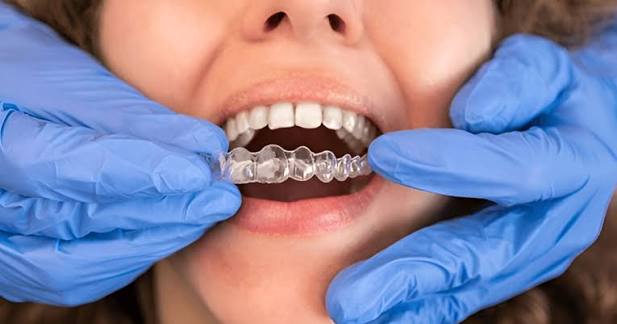
When your aligners are ready, your dentist checks their fit and explains how to insert, remove, and maintain them properly.
Some patients receive small attachments bonded to selected teeth. These help the trays apply controlled pressure during specific movements.
Most patients should wear their aligners for 20–22 hours each day, following their dentist’s instructions.
You may experience mild pressure or temporary tenderness when wearing a new set of trays. This usually improves as your teeth adjust.
Daily habits that support treatment include:
- Removing aligners before meals and drinks other than plain water.
- Brushing and flossing before reinserting clean trays.
- Following the recommended daily wear schedule.
- Storing aligners in their protective case.
- Cleaning trays with products your dentist recommends.
Avoid exposing aligners to hot water because excessive heat can distort the plastic.
These simple habits help maintain oral hygiene and reduce avoidable treatment interruptions.
Stage 3: Changing Aligners and Tracking Tooth Movement
During active treatment, you will switch to new aligners as your dentist instructs.
Many patients change trays every one to two weeks, although the exact schedule depends on the treatment plan and individual progress.
Each new set applies gentle, controlled pressure to guide selected teeth into their next planned positions.
What Happens During Invisalign Progress Appointments?
Periodic appointments allow your dentist to evaluate tooth movement, assess aligner fit, and identify concerns that may require adjustments.
Some patients attend appointments approximately every six to ten weeks, while others need a different schedule.
During these visits, your dental professional may:
- Check whether your teeth are tracking as planned.
- Examine the fit and condition of your aligners.
- Inspect attachments and overall oral health.
- Review daily wear habits.
- Recommend changes when necessary.
Patients searching for Invisalign near them should consider appointment accessibility, professional monitoring, and communication when comparing local providers.
Regular checkups help identify problems early and support more consistent progress.
Stage 4: Treatment Duration and Additional Refinement Aligners
The total length of Invisalign treatment depends on the complexity of your alignment concerns and how consistently you wear your trays.
Some relatively simple cases may take approximately six months. More involved cases often require 12–18 months or longer.
Factors that influence treatment duration include the severity of crowding or spacing, bite correction needs, individual tooth movement, and daily aligner wear.
In some cases, teeth may not move exactly as predicted during digital planning. Your dentist may recommend additional scans and refinement aligners to make further adjustments.
These refinements are a normal possibility and do not necessarily mean treatment has failed.
Invisalign Treatment Stages at a Glance
| Treatment Stage | What to Expect |
| Initial consultation | Dental examination and eligibility assessment |
| Digital planning | 3D scans and customized tooth movement planning |
| First aligners | Tray fitting, instructions, and adjustment period |
| Progress monitoring | Regular tray changes and dental evaluations |
| Refinements, if needed | Additional aligners for further correction |
| Retention | Retainers to help maintain alignment |
Treatment duration and appointment frequency vary by patient. Your dental provider will recommend a schedule based on your individual needs.
Stage 5: Completing Treatment and Maintaining Results
After your final aligners, your dentist evaluates your teeth’s position and determines whether active treatment is complete. Finishing the aligner series is an important milestone, but maintaining the results requires continued care.
Retainers help prevent teeth from gradually shifting toward their previous positions.
Depending on your needs, your dentist may recommend removable or fixed retainers. Some patients initially need extended daily wear before moving to a nighttime schedule. Because teeth can shift throughout life, long-term retention is often necessary.
The American Association of Orthodontists emphasizes that consistent retainer wear is important for maintaining orthodontic results.
Choosing the Right Invisalign Dentist for Your Smile
Selecting a dental care professional involves more than comparing prices or online ratings.
People searching for the best Invisalign dentist near them should consider the provider’s qualifications, experience with clear aligners, treatment-planning approach, and follow-up care.
A qualified dental professional should explain available options, discuss realistic outcomes, and identify any limitations associated with removable aligners.
What to Look for in an Invisalign Dentist in Encino
When comparing local providers, focus on their approach to clinical evaluation, treatment monitoring, and patient communication.
Important considerations include experience managing similar alignment concerns, transparent pricing, available payment arrangements, and clear refinement and retention policies.
For patients living in Encino, Sherman Oaks, Tarzana, Lake Balboa, and Van Nuys, choosing a conveniently located dental office can make periodic appointments easier to manage.
At Farzad Dental, patients can explore Invisalign options and discuss alignment concerns during a personalized dental consultation.
Frequently Asked Questions
1. How long does Invisalign treatment usually take?
Treatment often takes several months to more than a year, depending on the complexity of your alignment concerns. Some simple cases may take approximately six months, while more involved cases require longer.
2. Is Invisalign treatment painful during the first few days?
Mild pressure or temporary tenderness is common when starting a new set of aligners. Discomfort generally decreases as your teeth adjust. Your dentist should evaluate persistent or severe pain.
3. Can I eat normally while wearing Invisalign aligners?
You can generally enjoy your usual foods because aligners are removable. However, remove them before eating and clean your teeth before reinserting them.
4. How often do I need to visit my dentist during Invisalign treatment?
Many patients attend progress appointments approximately every six to ten weeks. Your dentist may recommend a different schedule depending on tooth movement, treatment complexity, and aligner fit.
5. Will I need retainers after completing Invisalign treatment?
Yes. Retainers are generally recommended after active treatment to maintain your teeth’s new positions.
Conclusion
Understanding each stage of Invisalign treatment helps patients prepare for clear aligner care and develop realistic expectations about their progress. From digital scanning and custom trays to regular evaluations and long-term retention, every phase helps improve and maintain dental alignment. Choosing an experienced Invisalign dentist in Encino provides access to professional guidance, personalized treatment planning, and ongoing monitoring throughout the process.
Ready to Explore Your Invisalign Options in Encino? Find the dental office in Palmdale and get directions on Google Maps to plan your visit.