

In today’s globalized world, effective communication is paramount, especially in a multicultural city like Dubai. When working with a German interpreter in Dubai, ensuring smooth and precise communication can significantly enhance business relationships and personal interactions. Here are some detailed tips to help you communicate effectively with a German interpreter in this vibrant city.
Table of Contents
- Understanding the Role of a German Interpreter
- Choosing the Right Translation Services in Dubai
- Preparing for Your Session with a German Interpreter
- During the Interpretation Session
- Post-Session Follow-Up
- Building a Long-Term Relationship with Your Interpreter
- Leveraging Technology
- Conclusion
- FAQs
- What should I consider before hiring a German interpreter in Dubai?
- How can I prepare for a meeting or event with a German interpreter?
- What should I do during interpretation to ensure clarity and accuracy?
- How can I build rapport with a German interpreter in Dubai?
- What are some common mistakes to avoid when working with a German interpreter?
- FAQs
Understanding the Role of a German Interpreter
A German interpreter is not just a translator but a cultural mediator who helps bridge the language gap. Their role involves converting spoken language from German to English and vice versa, ensuring that the meaning, tone, and nuances are accurately conveyed. In Dubai, where business and social settings often require multilingual communication, having a skilled interpreter can make a significant difference.
Choosing the Right Translation Services in Dubai
Selecting the appropriate translation services in Dubai is crucial for effective communication. Look for agencies that offer experienced and certified German interpreters. Consider the following factors when choosing a service:
- Certification and Experience: Look for translation agencies in Dubai that provide interpreters with recognized certifications such as ATA (American Translators Association) or equivalent. Experience in your field ensures they grasp industry-specific terminology and nuances crucial for accurate communication.
- Specialization: Opt for agencies offering German interpreters experienced in your industry, whether it’s finance, legal, medical, or technical sectors. Their specialized knowledge enhances accuracy and comprehension, facilitating smoother communication in specialized contexts.
- Reputation: Research client testimonials and reviews to assess the agency’s reliability. Positive feedback highlights their ability to deliver accurate translations promptly, ensuring your communication needs are consistently met with quality and professionalism.
Preparing for Your Session with a German Interpreter
Preparation is key to a successful interpretation session. Here are some steps to help you prepare:
Provide Background Information
It’s crucial to furnish your German interpreter with comprehensive details about the subject matter before your session. This includes not only the main topics of discussion but also specific terminologies, any relevant documents, and the overall context of the conversation. This preparation allows the interpreter to familiarize themselves thoroughly with the subject, ensuring they can accurately convey nuanced meanings and technical details during the interpretation.
Briefing on Cultural Sensitivities
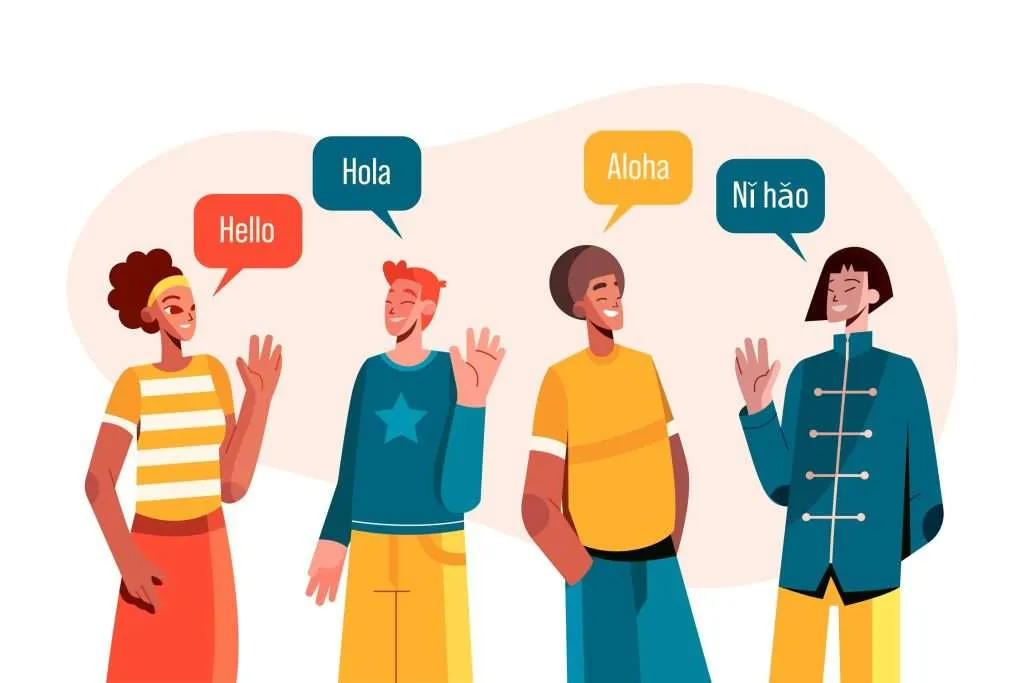
Given Dubai diverse cultural landscape, it’s important to inform your interpreter about any cultural nuances or sensitivities relevant to your interaction. This includes etiquette, gestures, and verbal expressions that may differ across cultures. By briefing your interpreter beforehand, you help create an environment of mutual respect and understanding, reducing the likelihood of miscommunication or unintentional offense during the session.
Clear Objectives
Clearly defining the objectives of your session is essential for effective communication through interpretation. Whether your session pertains to business negotiations, legal proceedings, or medical consultations, outlining specific goals helps the interpreter focus on delivering precise and relevant translations. This clarity ensures that the interpretation aligns closely with your intended outcomes, facilitating productive and accurate communication across languages.
During the Interpretation Session
Speak Clearly and at a Moderate Pace
When speaking, ensure that you articulate your words clearly and maintain a moderate pace. This allows the interpreter to keep up with the conversation and provide accurate translations. Avoid speaking too quickly or using jargon that may be unfamiliar to the interpreter.
Use Simple Language
To facilitate accurate translation, use simple and straightforward language. Avoid idiomatic expressions, slang, or overly complex sentences that might be challenging to translate accurately.
Pause Regularly
Give the interpreter time to translate by pausing regularly. This ensures that the conversation flows smoothly and that nothing important is missed. It’s particularly important in settings where precise communication is critical, such as legal or medical contexts.
Non-Verbal Communication
Pay attention to non-verbal cues, such as body language and facial expressions. These can provide additional context to the interpreter and help convey the intended message more effectively. Ensure that your non-verbal communication aligns with your spoken words.
Post-Session Follow-Up

Feedback and Evaluation
After the session, provide feedback to the interpreter and the translation service provider. Constructive feedback helps improve the quality of future sessions. Evaluate the accuracy, fluency, and cultural appropriateness of the interpretation.
Clarify Any Doubts
If there were any unclear points during the session, follow up with the interpreter for clarification. This ensures that there are no misunderstandings and that all parties are on the same page.
Document Review
If the session involved important documents, review them with the interpreter to ensure that all translations are accurate and that nothing has been missed. This is especially crucial in legal or technical fields where precise wording is essential.
Building a Long-Term Relationship with Your Interpreter
Consistency
Whenever possible, work with the same interpreter for all your sessions. Building a long-term relationship with an interpreter ensures consistency in communication and a deeper understanding of your specific needs and preferences.
Regular Updates
Keep your interpreter updated on any changes in your requirements or the context of your interactions. This allows them to stay informed and provide the best possible service.
Professional Development
Encourage your interpreter to engage in continuous professional development. Staying updated with the latest trends and techniques in interpretation ensures high-quality service and adaptability to various scenarios.
Leveraging Technology
In addition to in-person interpretation, consider leveraging technology for effective communication. Many translation services in Dubai offer remote interpretation options via video calls or specialized apps. This can be particularly useful for urgent or geographically dispersed meetings.
Translation Apps
While not a substitute for a professional interpreter, translation apps can be helpful for quick translations or when an interpreter is not available. Ensure that the app you choose supports German and English accurately and has positive user reviews.
Video Conferencing Tools
Use reliable video conferencing tools that support high-quality audio and video. Ensure that all participants are familiar with the technology to avoid technical issues during the session.
Conclusion
Effective communication with a German interpreter in Dubai requires careful preparation, clear objectives, and ongoing collaboration. By choosing the right translation services in Dubai, preparing thoroughly, and following best practices during and after the session, you can ensure smooth and precise communication. Building a strong relationship with your interpreter and leveraging technology can further enhance the quality of your interactions.
FAQs
What should I consider before hiring a German interpreter in Dubai?
Before hiring, consider the interpreter’s qualifications, experience in your specific field (e.g., legal, medical), fluency in both German and your language, and their availability. It’s also important to verify their credentials and ensure they have a good reputation for accuracy and professionalism.
How can I prepare for a meeting or event with a German interpreter?
Prepare relevant documents and materials in advance to provide to the interpreter. Clearly outline the objectives and agenda of the meeting or event so the interpreter can familiarize themselves with the context. Brief them on any specific terminology or jargon that might be used.
What should I do during interpretation to ensure clarity and accuracy?
Speak clearly and at a moderate pace. Avoid using slang, idioms, or complex sentence structures that could be difficult to translate. Allow pauses for the interpreter to convey your message accurately. If necessary, ask for clarification or confirmation from the interpreter during breaks.
How can I build rapport with a German interpreter in Dubai?
Respect their professionalism and expertise. Treat them as a valued member of your team by involving them in discussions and providing feedback. Establish clear communication channels and be open to their suggestions for improving understanding between parties.
What are some common mistakes to avoid when working with a German interpreter?
Avoid speaking over the interpreter or interrupting their translation process. Provide context and background information whenever possible to help them accurately convey nuances and subtleties. Be patient during the interpretation process, as it may take slightly longer than direct communication.