


Are you noticing unusual signs in your yard and wondering if voles might be the culprit? These small, burrowing rodents can wreak havoc on your garden and lawn if left unchecked. But don’t worry! Identifying their presence early can save you a lot of trouble. Let’s dive into the top 10 signs you might have voles in your yard.
Table of Contents
Understanding the Impact of Voles on Your Yard
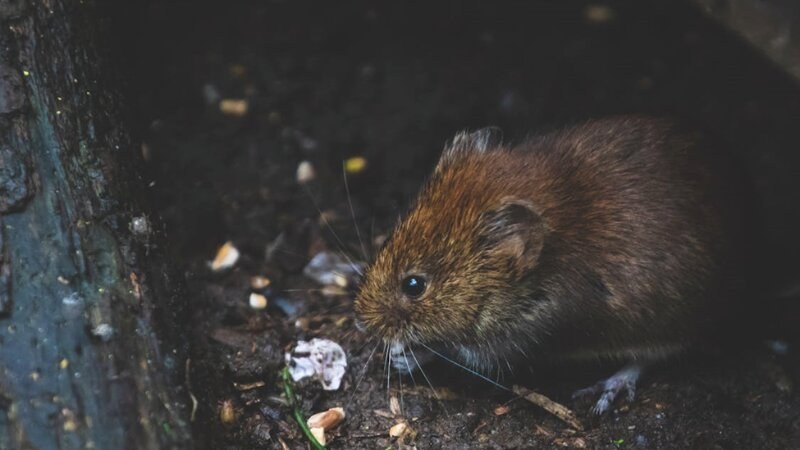
Voles, often mistaken for mice, are small rodents capable of causing significant damage to your yard if left unchecked. As winter fades and the snow melts, these creatures become more active, and their presence in gardens becomes increasingly noticeable.
The Destructive Nature of Voles
Voles are notorious for wreaking havoc on vegetation, gnawing on tree bark, and creating extensive underground networks that can severely disrupt your lawn’s root system. As the snow recedes, the full extent of the damage inflicted by these rodents becomes visible. This period is the optimal time to assess and address potential infestations.
Identifying Vole Activity
Signs of vole activity include small, well-worn paths crisscrossing your lawn, burrow entrances, and gnaw marks on plants and trees. These indicators are crucial for early detection and intervention.
Vole Habits and Preferred Habitats
Voles, small but prolific rodents, are known for their rapid reproduction and ability to quickly colonize residential areas. These creatures thrive in environments that offer ample cover and sources, often favoring thick grass, weedy gardens, and areas cluttered with plant debris. Such conditions provide voles with the perfect setting to construct their networks of tunnels and nests while staying hidden from predators. Consequently, a yard that’s a bit untamed might just be an ideal habitat for these busy little animals.
Identifying Vole Presence in Your Yard
One of the important things to note in this aspect is that food particles lying out in the open space are known to attract more insects. Although this particular tip may not help to get rid of the pest, this will surely help to reduce its number in your house. If you wish to prevent your house from further infestation after pest control cost, then it is essential to clean regularly.
Visible Runways
Vole runways are one of the most distinct signs of their presence in your yard. These pathways are narrow, usually one to two inches wide, and weave through grass and underbrush. Unlike moles, which create raised tunnels, voles construct flat, visible pathways close to the ground. These runways are essential for their daily activities, acting as highways that connect their burrows to their favorite feeding spots. Voles prefer to stay hidden from predators, so they often clip the grass along these paths, keeping them clear and easy to navigate.
Damaged Vegetation and Materials
Voles have a voracious appetite for a variety of plant materials, making them particularly damaging to gardens and landscaped areas. You’ll often notice grass and young plant stems that appear sharply clipped at an angle. This distinctive damage is a telltale sign of vole feeding. Additionally, flowers and decorative plants may seem as if they’ve been nibbled down to the ground, with roots and bulbs especially targeted. This can be devastating for gardeners, as voles can quickly decimate a range of vegetation.
Burrow Entrances
Identifying burrow entrances is crucial in detecting vole activity in your yard. These entrances are typically small, about the size of a golf ball, and lead directly into the vole’s underground network. Unlike molehills, vole burrow entrances are usually clean and free of mounds of dirt, making them less conspicuous at first glance. These entrances are strategically placed throughout their runway systems, providing access points to their nests and food sources.

Chewed Bark
Chewed bark is another clear indicator of vole presence in your yard. Voles gnaw on the bark of trees and shrubs, often around the base of the trunk, to feed on the nutritious inner layers. This gnawing can result in narrow strips of missing bark, which may eventually encircle the entire trunk, a condition known as girdling. Pest extermination solutions Girdling disrupts the tree’s ability to transport water and nutrients, severely impacting its health and potentially leading to death, especially in young or thin-barked trees.
Vole Droppings
Vole droppings are a common sign of their activity and can help confirm their presence in your yard. These droppings are small, granular, and dark brown, resembling tiny pellets. They are often found scattered along vole runways, near feeding sites, and in sheltered spots where voles rest or nest. The droppings are typically more concentrated in areas where voles are most active, such as around burrow entrances and under dense vegetation.
Grass Clippings and Debris Piles
Voles construct their nests using grass clippings, leaves, and other plant materials, creating small piles of neatly clipped vegetation. These debris piles are often found near burrow entrances and are a sign of vole nesting activity. The presence of these piles indicates that voles are actively building nests and expanding their underground networks. These nests provide shelter and protection for voles, allowing them to thrive and reproduce. To detect vole nests, look for small, organized piles of grass or plant debris, especially in areas with thick vegetation or ground cover.
Unusual Girdling on Trees
Unusual girdling on trees, especially higher up on the trunk, is a sign of vole activity during winter months when snow cover allows them to reach beyond their usual height. This type of damage appears as a distinct belt of missing bark, which can severely affect the tree’s health. Girdling disrupts the tree’s ability to transport water and nutrients, leading to stress and potentially fatal damage, particularly in young or thin-barked trees.
Sudden Plant Collapse
Sudden plant collapse is a common result of vole activity. Voles chew through the roots of plants, disrupting their ability to absorb water and nutrients, which leads to wilting or collapsing plants. This damage can be particularly detrimental to garden vegetables and ornamental plants, causing significant losses in your garden. To identify vole damage, look for plants that suddenly wilt or fall over without any apparent reason.
Tracks in Snow or Mud
Tracks in snow or mud are another sign of vole presence in your yard. After snowfall or rain, you may notice tiny tracks or narrow pathways, about one to two inches wide, indicating vole movements. These tracks offer comprehensive service clear evidence of vole activity and can help you identify their pathways and nesting areas. Observing these tracks can provide insights into vole behavior and movement patterns, allowing you to target specific areas for pest control measures.
Noises Underneath the Ground
Faint noises, such as rustling or gnawing sounds, coming from beneath the ground suggest active voles expanding their underground habitats. These sounds indicate that voles are busy creating or enlarging their tunnel networks and can be heard during quiet moments in your yard. Detecting these noises can be challenging, but they are a clear sign of vole presence. To confirm vole activity, look for other signs such as burrow entrances, runways, and damaged vegetation.
FAQs
1. What are voles and why should I be concerned about them?
Voles are small, mouse-like rodents known for their rapid reproduction and significant impact on gardens and landscapes. They can cause extensive damage by eating plant roots, bulbs, and bark, which can weaken or kill plants and trees. Their burrowing habits can also disrupt the soil structure and create unsightly runways and holes in your yard.
2. How can I identify vole runways?
Vole runways are narrow, cleared paths about one to two inches wide that weave through grass and underbrush. Unlike mole tunnels, these pathways are flat and visible on the ground surface. Voles create these runways to connect their burrows to food sources, and they often clip the grass along these paths.
3. What kind of damage do voles cause to vegetation?
Voles have a notable appetite for plant materials, including grass, stems, flowers, roots, and bulbs. They clip grass and plant stems at an angle and can eat plants down to the ground. Their feeding habits can be particularly harmful to garden vegetables, ornamental plants, and young trees, often resulting in significant plant loss.
4. How do I spot vole burrow entrances?
Vole burrow entrances are small, golf ball-sized holes that lead into their underground network. These entrances are usually clean and free of mounds of dirt, unlike molehills. You’ll often find these holes strategically placed along their runway systems, providing access to their nests and food sources.
5. What are the signs of voles chewing on tree bark?
Voles gnaw on the bark of trees and shrubs, often around the base of the trunk. This activity can result in narrow strips of missing bark and, in severe cases, can girdle the tree. Girdling disrupts the tree’s nutrient transport, which can lead to the tree’s death, especially if the damage encircles the trunk.
6. What do vole droppings look like?
Vole droppings are small, granular, and dark brown, resembling tiny pellets. These droppings are typically found along runways, near feeding sites, and in sheltered spots where voles rest or nest. Their presence is a clear indicator of vole activity in your yard.